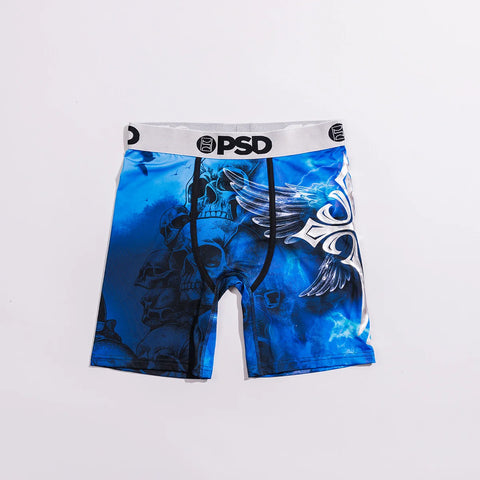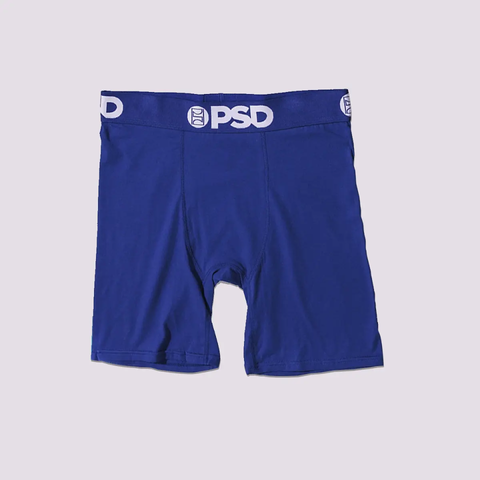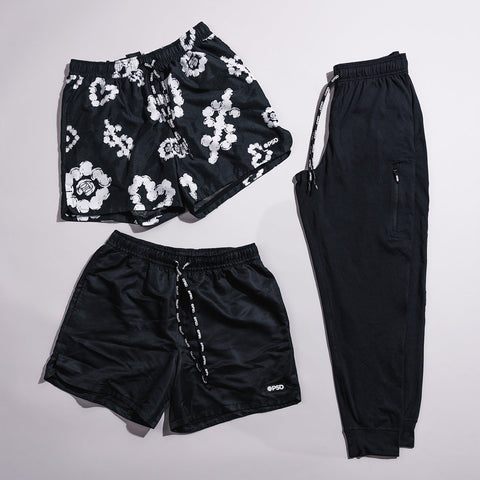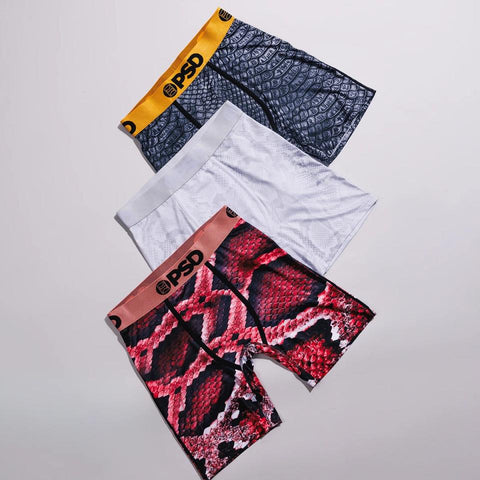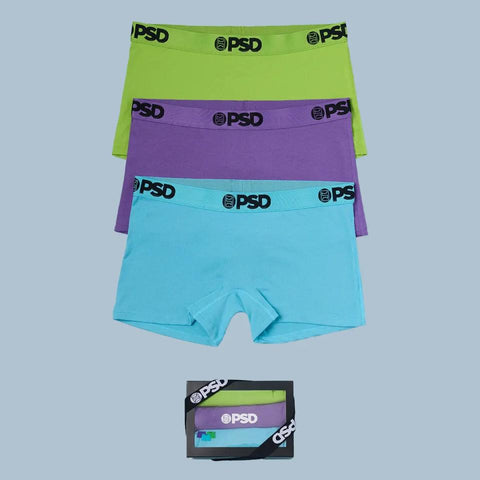


Best Sellers.
The Stigma and the Shift in Perspective
For most people, the immediate reaction to the phrase “second-hand underwear” is a visceral “no.” Intimate apparel is, by definition, intimate. It sits closest to our bodies, specifically in areas prone to sweat, bacteria, and natural bodily functions. The societal norm has always dictated that underwear is a strictly personal, single-owner item. When a pair is worn out, it is discarded, not donated or resold.
However, perspectives are slowly shifting, particularly among younger generations who prioritize sustainability above traditional consumer habits. The rise of platforms like Depop, Poshmark, and specialized vintage boutiques has normalized the buying and selling of almost every garment imaginable. While underwear shorts are still an outlier, they are finding a place in specific circles.
Vintage and Designer Appeal
One of the primary drivers of the second-hand underwear shorts market is the appeal of vintage and designer labels. High-end brands like Calvin Klein, Tom Ford, and Versace have produced iconic underwear designs over the decades. For fashion enthusiasts and collectors, a pristine, vintage pair of 1990s Calvin Klein boxer briefs is a coveted item. In these cases, the garment is often viewed more as a collectible piece of fashion history rather than an everyday functional item.
The Sustainability Factor
The fashion industry is one of the largest polluters globally, and the production of cotton and synthetic fabrics used in underwear contributes significantly to this footprint. Some environmentally conscious consumers argue that extending the life cycle of any garment, including underwear shorts, is a necessary step in combating fast fashion. If a pair of high-quality boxer briefs has been worn only a few times, thoroughly sanitized, and is still in excellent condition, discarding them could be seen as wasteful.
The Elephant in the Room: Hygiene and Safety
The most significant barrier to the widespread acceptance of second-hand underwear shorts is, undoubtedly, hygiene. The human groin area harbors a complex microbiome, and the risk of transferring bacteria, fungi, or viruses via unwashed or improperly washed intimate apparel is a valid concern.
Understanding the Risks
The primary health risks associated with sharing or buying used underwear include fungal infections (such as tinea cruris, commonly known as jock itch), bacterial infections, and in rare cases, parasitic infestations like pubic lice. These organisms can survive on fabric for varying lengths of time, particularly if the fabric is not subjected to high temperatures or strong detergents.
The Science of Sanitization
The critical question is: Can second-hand underwear shorts be adequately sanitized? The short answer is yes, but it requires more than a standard run through a cold-water wash cycle.
To ensure that a pair of used underwear shorts is completely safe to wear, they must undergo a rigorous sanitization process. This typically involves:
1.High-Temperature Washing: The garments must be washed in water that is at least 60°C (140°F). High temperatures are highly effective at killing most bacteria and fungi.
2.Use of Disinfectants: Incorporating laundry sanitizers or bleach (if the fabric allows) adds an extra layer of security. Oxygen-based bleaches or specialized antibacterial laundry cleansers can eliminate pathogens that might survive the heat.
3.High-Heat Drying: Drying the shorts in a tumble dryer on the highest heat setting provides a final, crucial step in the sanitization process. The combination of heat and prolonged drying time is lethal to almost all lingering microorganisms.
When these steps are followed meticulously, the risk of infection drops to near zero. However, the challenge in the second-hand market is trusting that the seller has performed this rigorous cleaning.
The Niche Markets: From Collectors to Fetishists
It is impossible to discuss second-hand underwear shorts without acknowledging the distinct subcultures that drive a significant portion of this market. The market is broadly divided into two very different categories: the fashion/vintage collectors and the fetish market.
The Fashion and Vintage Collectors
As mentioned earlier, there is a legitimate market for vintage, designer, or deadstock underwear shorts. Buyers in this category are typically looking for specific cuts, discontinued patterns, or iconic branding. For these buyers, the condition of the garment is paramount. They seek items that are “New Old Stock” (NOS) — meaning they are vintage but have never been worn — or items that have been worn very lightly and are practically indistinguishable from new.
In this market, hygiene is a priority, and sellers usually go to great lengths to ensure the items are professionally cleaned and presented immaculately. The transactions happen on mainstream resale platforms or specialized vintage clothing websites.
The Fetish Market
On the other end of the spectrum is a market driven by entirely different motivations. There is a well-documented fetish subculture centered around worn, unwashed intimate apparel. In this market, the value of the underwear shorts actually increases based on how heavily they have been worn and the presence of natural bodily odors.
Platforms catering to this demographic operate very differently from standard resale sites. The marketing is explicit, and the transactions are based on the specific requests of the buyer regarding the duration of wear and the activities performed while wearing the garment. While this market is highly lucrative for some sellers, it is entirely separate from the mainstream push for sustainable second-hand fashion. It is crucial for anyone exploring the second-hand underwear market to understand this distinction and navigate the platforms accordingly.
How to Buy Second-Hand Underwear Shorts Safely
If you are motivated by sustainability, hunting for a vintage designer piece, or simply curious about exploring this market, there are strict guidelines you should follow to ensure a safe and positive experience.
1. Choose the Right Platform
Where you buy matters immensely. Mainstream platforms like Poshmark, Depop, and eBay have strict policies regarding the sale of used intimate apparel. Generally, these platforms require that any used underwear must be thoroughly cleaned and clearly stated as such, and they actively ban the sale of unwashed items aimed at the fetish market. Buying from these regulated platforms offers a layer of consumer protection.
2. Inspect the Listing Carefully
When browsing listings for second-hand underwear shorts, pay close attention to the seller’s description and the provided photos.
•Look for “NWT” or “NWOT”: “New With Tags” or “New Without Tags” are the safest options. These indicate the item has never been worn, though it may have been sitting in a drawer for years.
•Assess the Condition: Look for high-resolution photos of the waistband, the seams, and the gusset (the crotch area). Signs of heavy pilling, stretched elastic, or fading indicate heavy wear. If an item looks heavily worn, it is best to avoid it, regardless of how well it has been washed.
•Read the Seller’s Cleaning Process: A reputable seller of vintage or used underwear will explicitly state how the item was cleaned and sanitized before listing.
3. Ask Questions
Do not hesitate to message the seller. Ask about the history of the item, how many times it was worn, and specifically what method was used to wash and sanitize it. A trustworthy seller will be transparent and happy to answer these questions.
4. Sanitize It Again Yourself
The golden rule of buying second-hand underwear shorts is to never trust the seller’s washing process entirely. Once the item arrives, it must go straight into your washing machine. Follow the rigorous sanitization steps outlined earlier: a hot wash (60°C/140°F minimum), a reliable laundry sanitizer, and a high-heat tumble dry. Only after you have personally sanitized the garment should you consider wearing it.
The Environmental Argument: Is It Worth It?
The push for circular fashion is stronger than ever, but does it truly apply to underwear shorts?
The Pros of Buying Used
The textile industry is incredibly resource-intensive. Producing a single pair of cotton boxer briefs requires hundreds of gallons of water, not to mention the energy used in manufacturing and transportation. By purchasing a second-hand pair, you are extending the life of that garment and preventing it from entering a landfill. If a pair of high-quality shorts is structurally sound, throwing them away simply because they have been worn a few times is objectively wasteful from an environmental standpoint.
The Cons and Alternatives
However, the environmental argument for second-hand underwear is complex. The rigorous hot-washing and high-heat drying required to make the garment safe consume significant energy, somewhat offsetting the environmental benefits of buying used.
For those who are environmentally conscious but uncomfortable with the idea of used intimate apparel, there are alternatives. Many sustainable brands now produce underwear shorts using organic cotton, bamboo, or recycled synthetic fibers like Tencel or recycled nylon. Investing in high-quality, sustainably made new underwear and wearing them until they literally fall apart is another highly effective way to reduce your fashion footprint.
Sale!
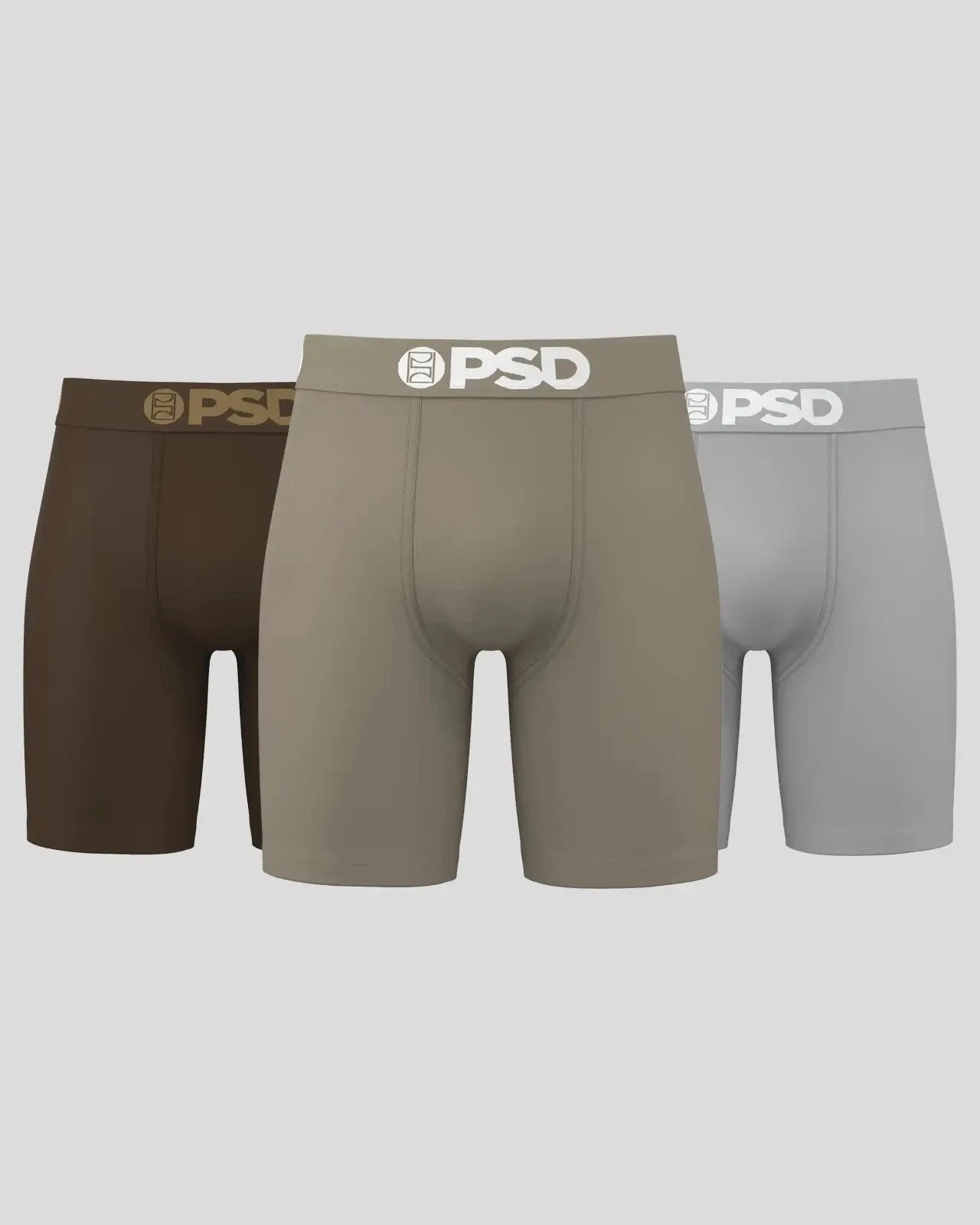
Original price was: $45.00.$13.50Current price is: $13.50.
Sale!
Original price was: $70.00.$21.00Current price is: $21.00.
Sale!
Original price was: $45.00.$9.00Current price is: $9.00.
Sale!
Original price was: $45.00.$13.50Current price is: $13.50.
Sale!
Original price was: $62.00.$18.60Current price is: $18.60.
Sale!
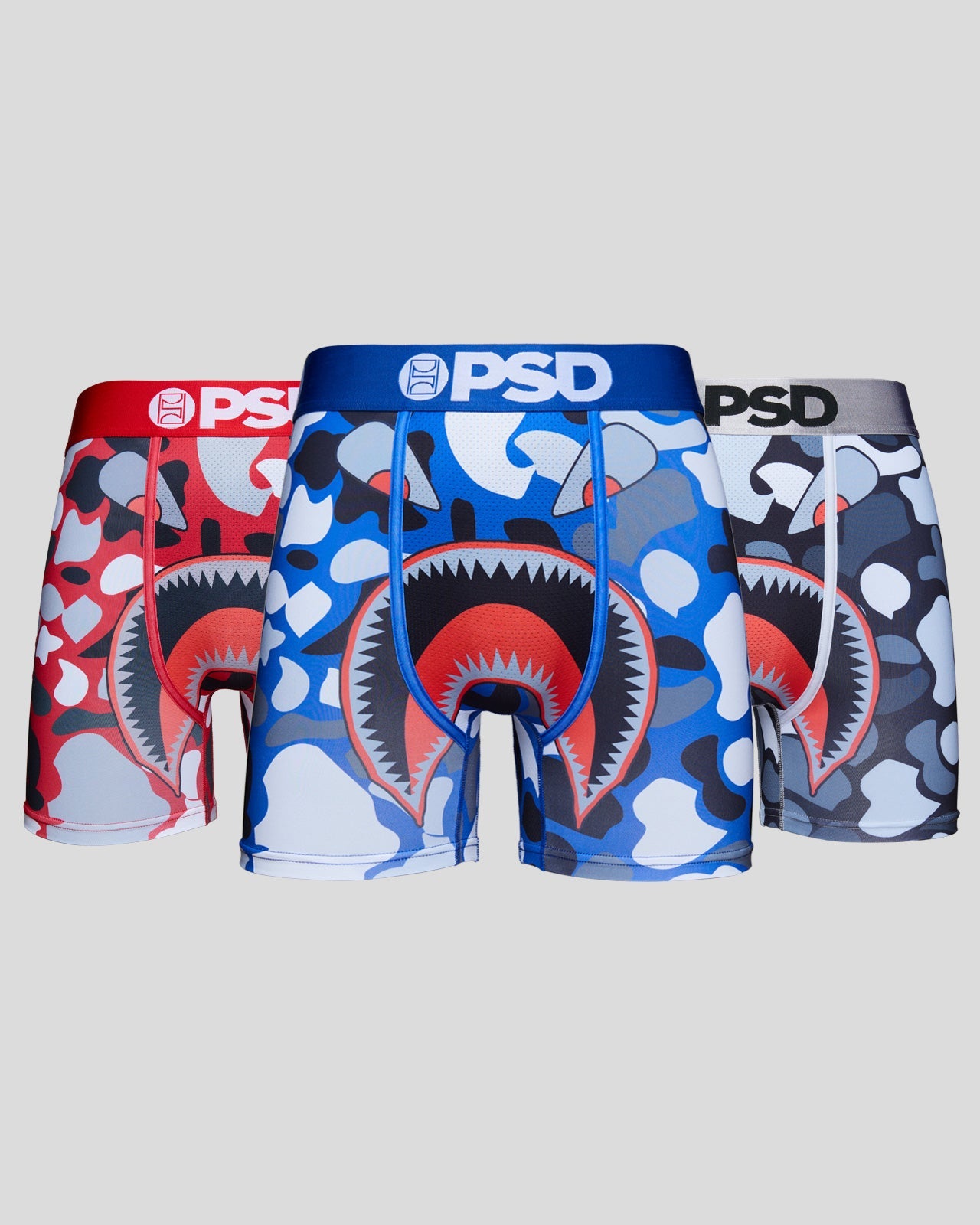
Original price was: $62.00.$18.60Current price is: $18.60.
Sale!
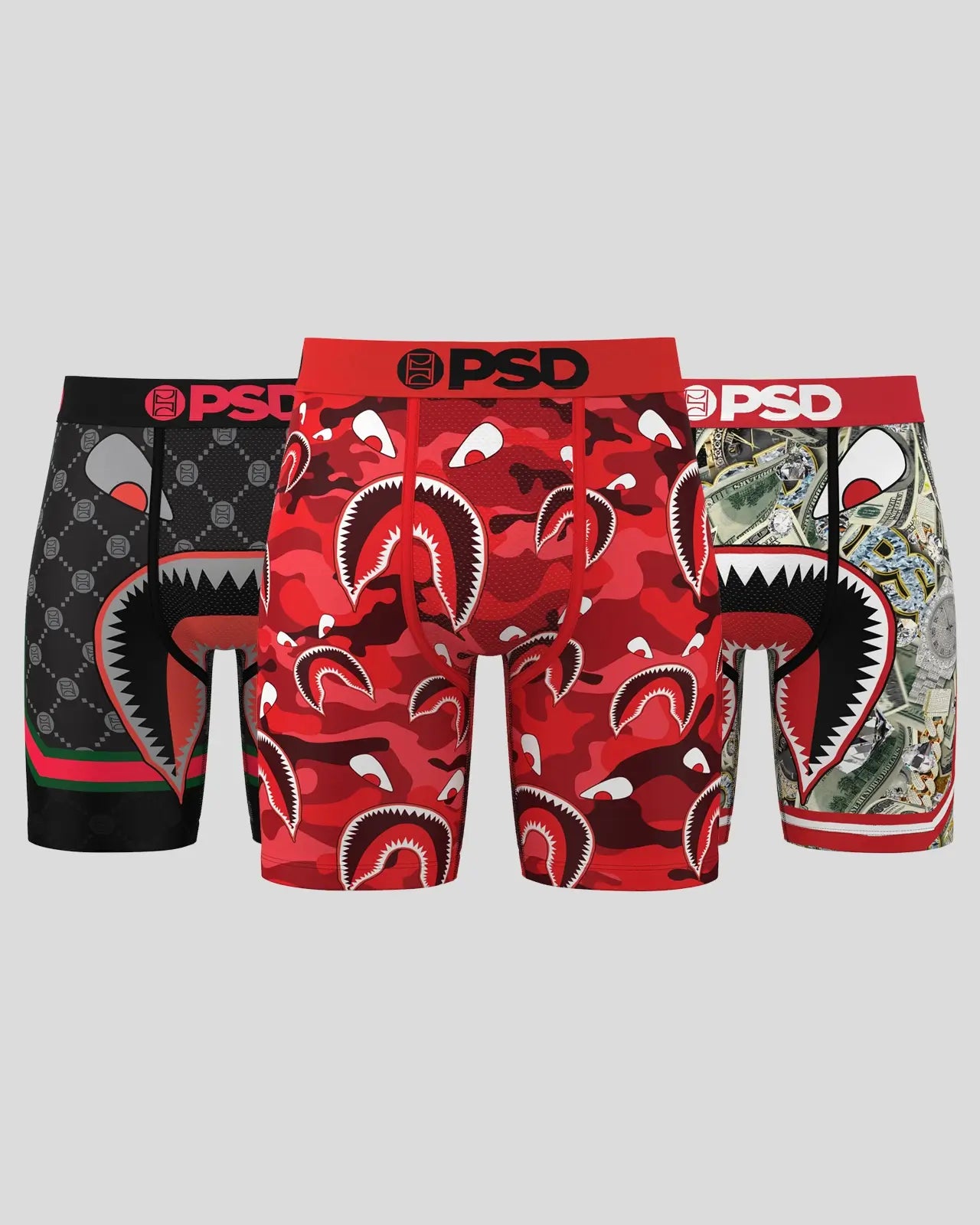
Original price was: $65.00.$19.50Current price is: $19.50.
Sale!
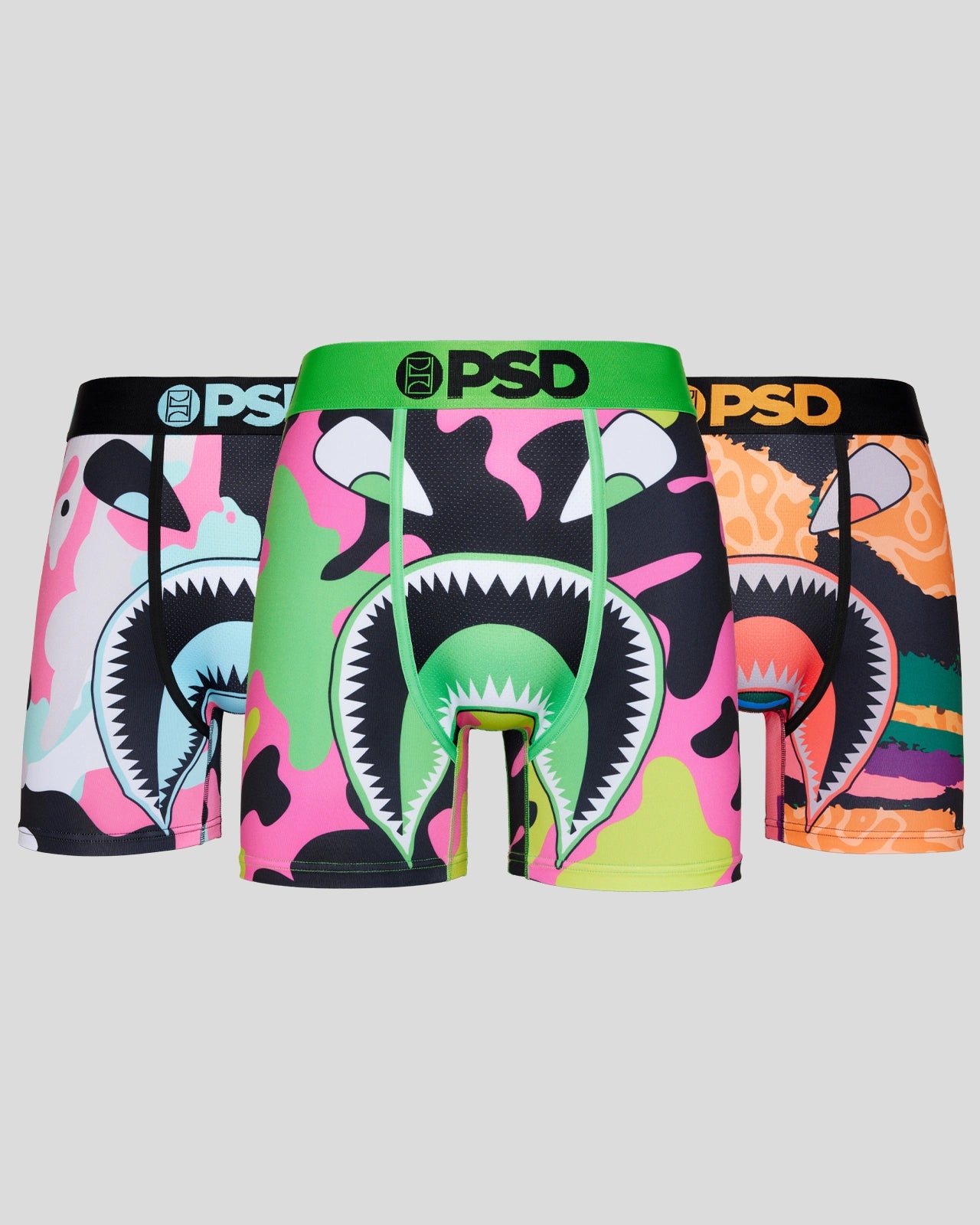
Original price was: $55.00.$16.50Current price is: $16.50.
Sale!
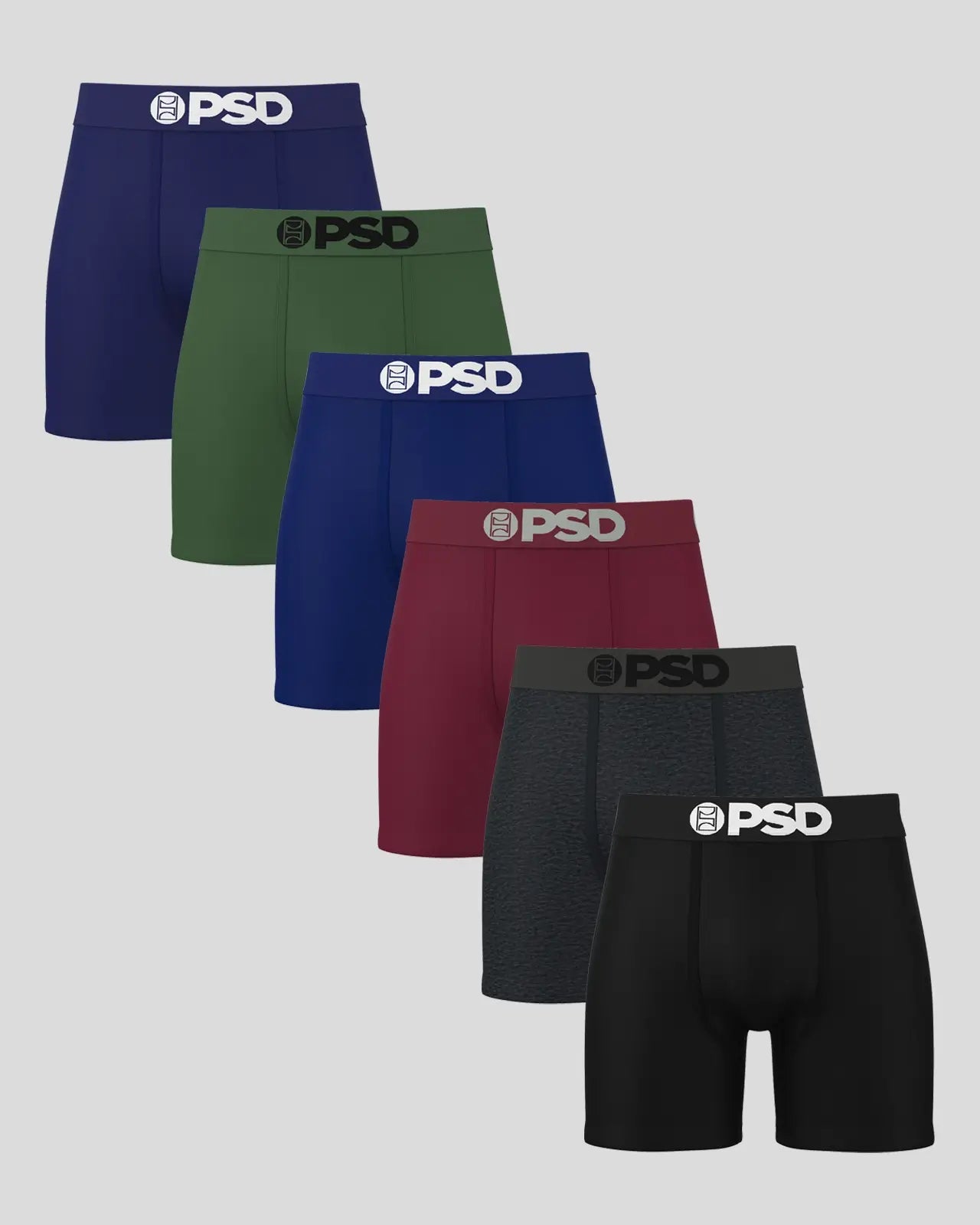
Original price was: $80.00.$24.00Current price is: $24.00.
Sale!
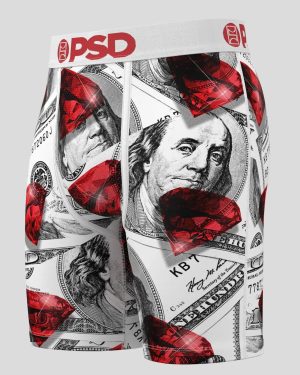
Original price was: $112.00.$33.60Current price is: $33.60.
Sale!
Original price was: $80.00.$24.00Current price is: $24.00.
Sale!
Original price was: $112.00.$33.60Current price is: $33.60.